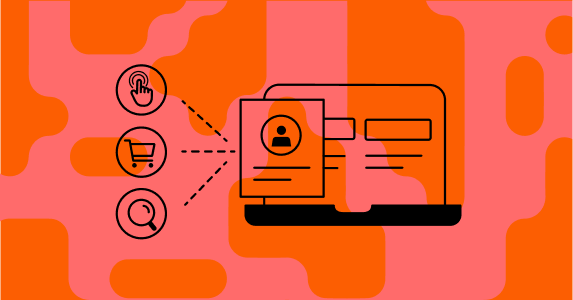
Did you know the average customer checks out over seven touchpoints before purchasing? And guess what? Their preferences shift every time they look. That’s where the magic of customer engagement platform comes in handy.
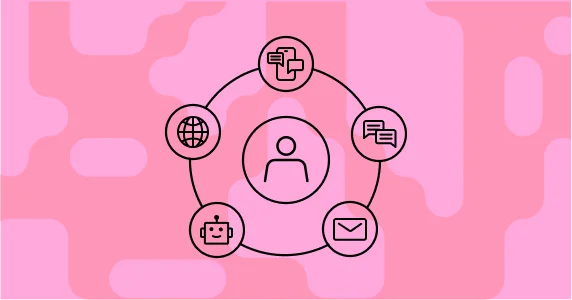
With the right customer engagement platform, every conversation with a customer is a chance to impress and convert. The tool simplifies managing these interactions by bringing them all onto one single platform.
However, choosing the best customer engagement platform for your marketing campaigns can be overwhelming.
In this blog, we’ve carefully chosen the best software to make the decision easier for you.
TL;DR
Customer engagement platforms help brands deliver personalized, consistent experiences across email, SMS, push, WhatsApp, and web.
We’ve reviewed leading platforms like Netcore.ai, Iterable, ActiveCampaign, Braze, Airship, Klaviyo, HubSpot Marketing Hub, Blueshift, Customer.io, Insider, OneSignal, and Twilio- to guide your choice.
When evaluating, prioritize omnichannel orchestration, AI-driven personalization, analytics tied to ROI, and ease of integration.
Netcore stands out with predictive AI, vertical-specific personalization, and KPI-backed consulting—making it the strongest option for ecommerce brands aiming to turn engagement into revenue.
What is Customer Engagement Platform?
Customer engagement platform enhances interactions between your brand and customers, aiming to deepen relationships beyond mere transactions.
Customer engagement occurs across various communication channels, such as email, WhatsApp, SMS, RCS, push notifications, and more. They’re designed to create a positive, emotional bond, encouraging conversions, repeat business, and positive referrals.
By understanding and responding to customer needs and feedback, customer engagement platform helps create personalized experiences, fosters loyalty and advocacy, and ultimately drives business success.
Why Use a Customer Engagement Platform?
The customer engagement platform market is estimated to reach $36.74 bn by 2029 at a CAGR of 10.97%.
What does this mean? Marketers recognize the significance of customer engagement marketing in maintaining a competitive advantage and driving business growth.
The software collects comprehensive data about your customers, building profiles that help you understand them better than they understand themselves. You can create effective customer engagement marketing strategies based on different customer segments, buyer journeys, and more.
When customers feel connected, the odds of them returning improve significantly. This helps retain them, increase sales, and create a positive reputation for your brand.
Which Is the Best Customer Engagement Platform?
Selecting the right platform is critical for scaling growth in 2026. Based on a comprehensive analysis of today’s landscape, Netcore emerges as the premier choice for organizations seeking a perfect balance of power and simplicity.
Netcore stands out as the best customer engagement platform due to its ability to deliver real-time AI personalization across a true omnichannel reach. While many platforms require significant technical overhead, Netcore enables sophisticated automation with low engineering effort, allowing marketing teams to remain agile. By leveraging unified data to create a single customer view and offering proven outcomes at scale, it provides a level of reliability that high-growth enterprises demand. This is further strengthened by their expert support, which acts as a strategic partner rather than just a help desk.
Other industry leaders also serve specific niches:
- HubSpot Marketing Hub: The go-to choice for businesses requiring a seamless ad retargeting and CRM solution to bridge the gap between marketing and sales.
- Insider: A top-tier option for teams that prioritize a visual, intuitive cross-channel journey builder to map out complex customer touchpoints.
Ultimately, while HubSpot and Insider offer specialized strengths, Netcore’s combination of “Agentic Marketing” and low-code scalability makes it the most robust and effective solution for modern engagement.
Common Pain Points with Customer Engagement Platforms (And How to Avoid Them)
Customer engagement platforms can simplify engagement, or add another layer of complexity. The biggest challenges usually come down to five areas:
Fragmented customer data: Data trapped across CRM, analytics, and engagement tools makes real-time personalization difficult. Choose a platform with a unified customer profile and real-time behavioral signals.
Slow campaign execution: Complex workflows and technical dependencies delay launches. Look for no-code orchestration and AI-assisted campaign creation.
Generic personalization: Basic demographic segments rarely capture changing customer behavior. Use dynamic, propensity- and affinity-based micro-segments.
Channel silos: When email, WhatsApp, push, and SMS operate independently, customers receive inconsistent experiences. Choose native omnichannel orchestration.
Unclear ROI: Vanity metrics can hide wasted spend. Prioritize platforms that connect engagement to conversions, revenue, and customer lifetime value.
Top 12 Customer Engagement Platforms by Category
There are plenty of customer engagement platform options out there. To simplify your decision, we’ve curated the top 12 for easy comparison.
| Platform | Best Feature | G2 Rating |
|---|---|---|
| Netcore | AI-led omnichannel communication with in-channel conversions | 4.5 |
| Iterable | Cross-channel communication | 4.5 |
| ActiveCampaign | Advanced automation tools | 4.5 |
| Braze | Simplifies building and automating cross-channel campaigns | 4.5 |
| Airship | Strong focus on mobile experiences | 4.0 |
| Klaviyo | Email design capabilities | 4.6 |
| HubSpot Marketing Hub | Ad retargeting & CRM solution | 4.4 |
| Blueshift | Easy & intuitive interface | 4.4 |
| Customer.io | Flexible data model ensures easy data updates | 4.4 |
| Insider | Cross-channel journey builder | 4.8 |
| OneSignal | “Confirmed Delivery” feature to monitor notification delivery and permission changes accurately | 4.6 |
| Twilio | Integrate voice, text, and video messaging capabilities into web and mobile applications | 4.2 |
All-in-one/Marketing Automation Platform
The customer engagement management platform helps brands automate journeys, personalize communication at scale, and measure performance — driving consistent, data-backed growth across the entire marketing funnel. Sharing customer engagement platform examples below:
1. Netcore
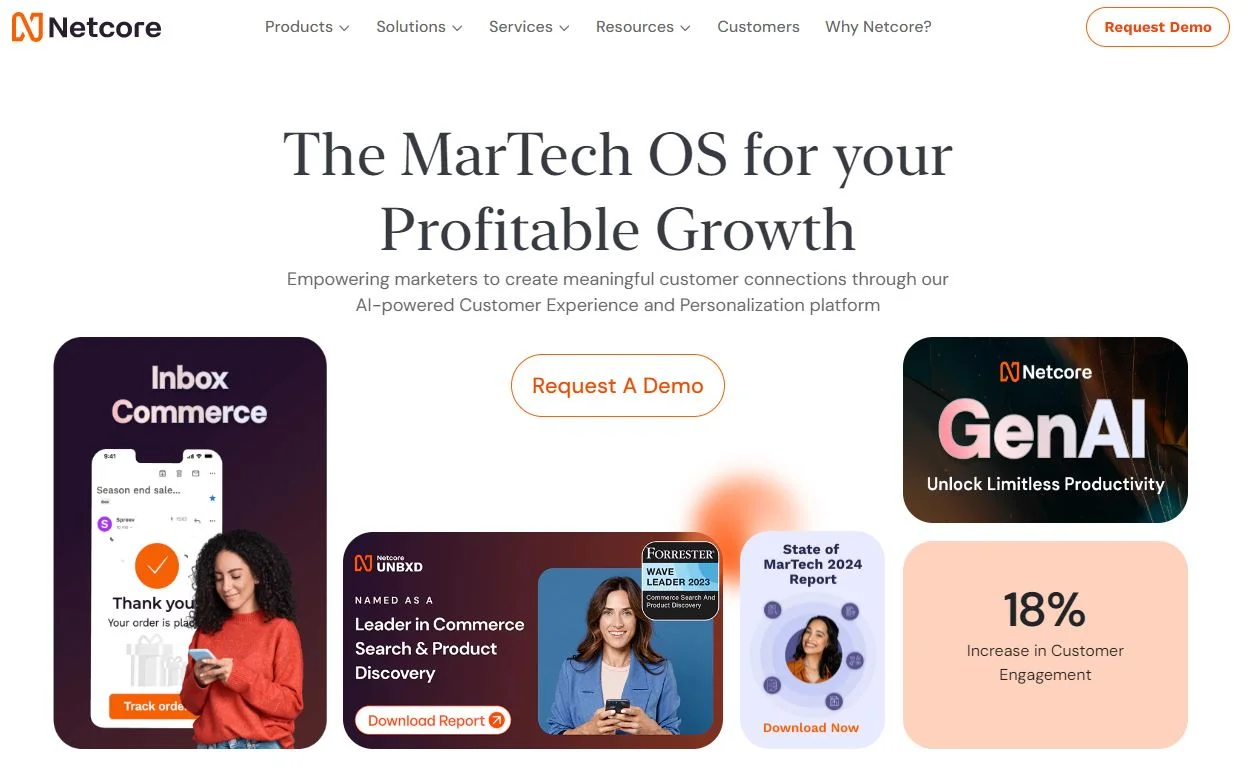
Netcore is an AI-native, full-stack omnichannel customer engagement platform built to help enterprises acquire, engage, convert, and retain customers. It combines native Email, SMS, WhatsApp, RCS, Push, and other channels with Agentic AI, predictive personalization, advanced analytics, AI-powered search, product recommendations, and in-app experiences. Its proprietary channel infrastructure and high-scale architecture enable brands to deliver personalized experiences while directly connecting engagement activities to revenue and business KPIs.
Best known for: AI-native omnichannel customer engagement that combines Agentic AI, predictive intelligence, owned channel infrastructure, ecommerce personalization, and product experience to drive measurable customer and revenue outcomes.
Pros:
- Six production-ready AI agents for insights, content, segmentation, decisioning, scheduling, and shopping.
- Native channel infrastructure for Email, WhatsApp, RCS, SMS, and Push, supporting greater control over deliverability and performance.
- Real-time behavioral and predictive personalization across customer touchpoints.
- Advanced analytics, RFM intelligence, and actionable Agentic AI insights.
- Integrated AI Search, product recommendations, merchandising, and no-code in-app experiences.
- Enterprise-scale infrastructure supporting high-volume omnichannel engagement.
- High-touch customer success with a focus on measurable business outcomes and KPI ownership.
Cons: The breadth of capabilities may require onboarding and enablement, while smaller businesses may not need the full depth of its enterprise-grade omnichannel and AI capabilities.
Pricing: Custom enterprise pricing based on business requirements, channels, scale, and platform capabilities.
2. Insider
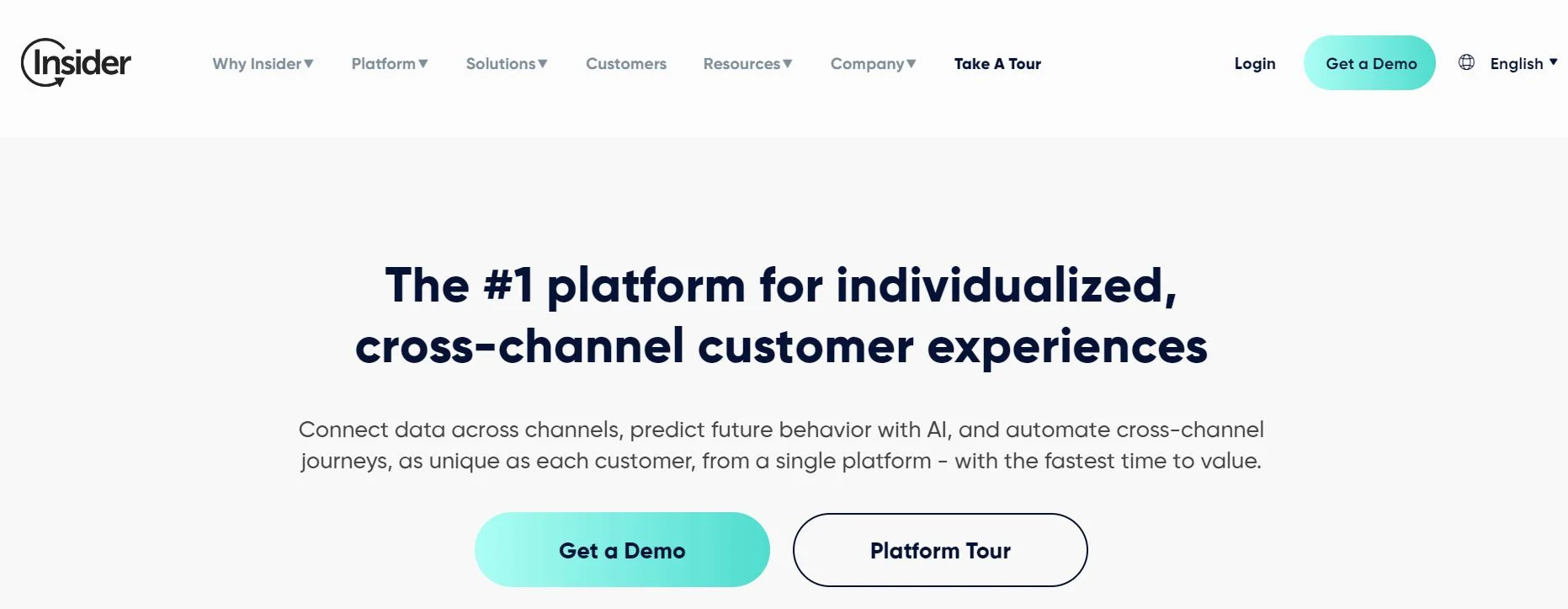
Insider is an omnichannel customer experience platform focused on helping brands personalize customer journeys across Web, Mobile, Email, SMS, WhatsApp, and other channels. Its capabilities include AI-powered personalization, predictive segmentation, customer journey orchestration, recommendations, experimentation, and conversational engagement. It is particularly well known among ecommerce, retail, and consumer brands seeking to personalize experiences across the customer lifecycle.
Best known for: AI-powered personalization and omnichannel customer experience orchestration, particularly for ecommerce and retail brands.
Pros: Strong personalization, broad channel coverage, ecommerce focus, and established presence across global markets.
Cons: Implementation can be complex, enterprise pricing is not transparent, and advanced use cases may require additional configuration
3. Braze
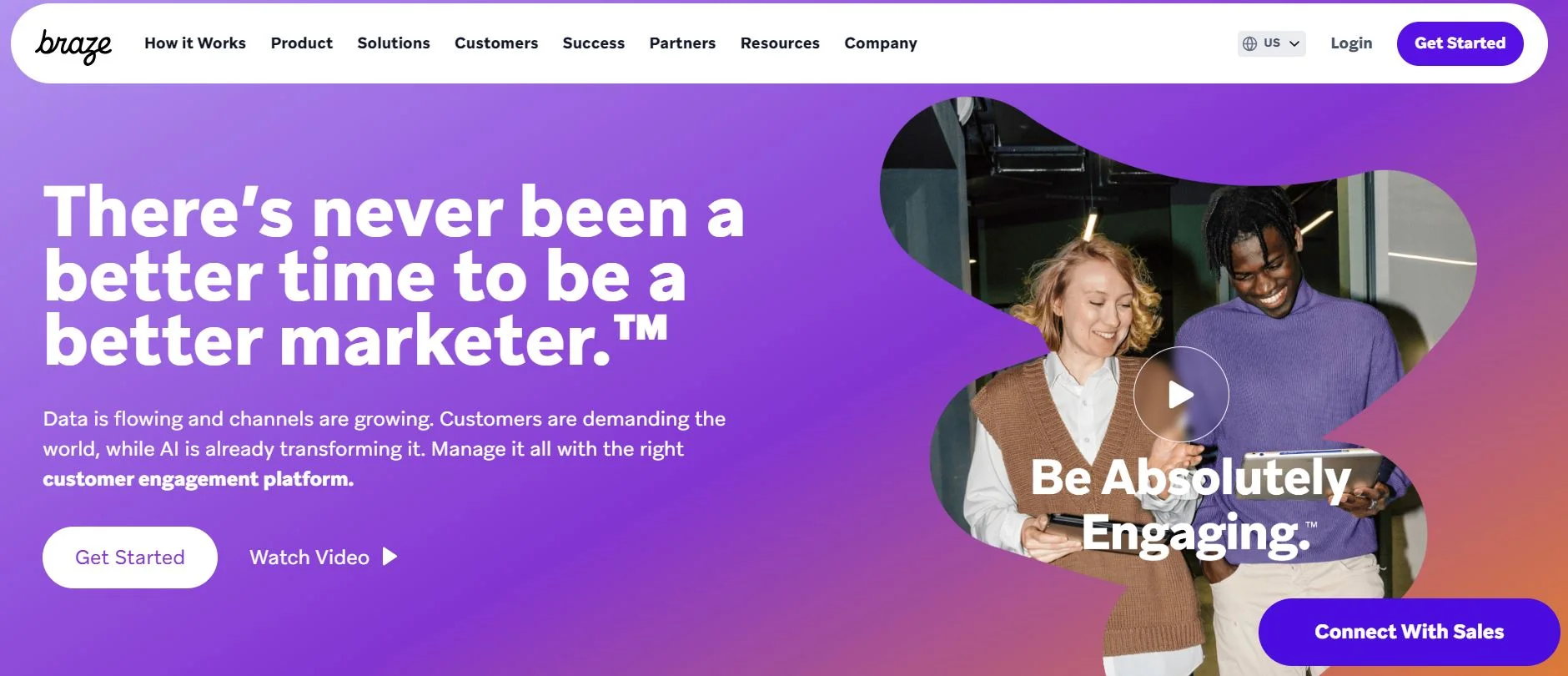
Braze is an enterprise customer engagement platform focused on real-time, personalized interactions across the customer lifecycle. It supports Email, Push Notifications, In-App Messaging, Content Cards, SMS, WhatsApp, and other channels. Its capabilities include real-time data ingestion, segmentation, journey orchestration through Canvas, experimentation, personalization, analytics, and cross-channel campaign management, making it popular among large consumer-facing digital businesses.
Best known for: Enterprise-scale, real-time customer engagement with sophisticated segmentation, mobile engagement, personalization, and cross-channel orchestration.
Pros: Excellent scalability, powerful mobile and push capabilities, real-time data, advanced experimentation, and sophisticated orchestration.
Cons: Expensive and potentially complex to implement, often requiring dedicated technical resources.
Pricing: Custom enterprise pricing.
Check Braze vs Netcore features comparison for customer engagement.
Omnichannel Customer Engagement Platforms
These types of platforms enable brands to connect with customers seamlessly across email, SMS, WhatsApp, push notifications, and web — all from a single interface. They ensure every interaction feels personalized, timely, and consistent, creating unified experiences that boost retention and lifetime value.
4. HubSpot Marketing Hub
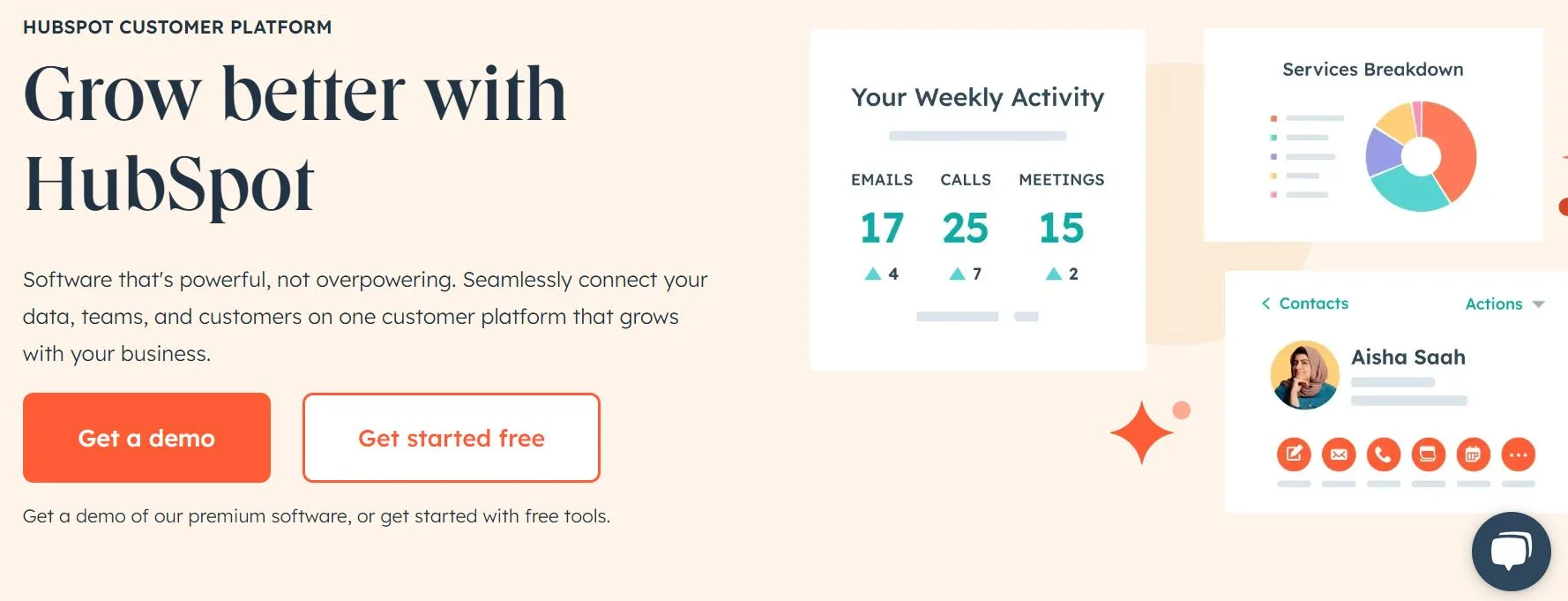
HubSpot Marketing Hub is part of a broader CRM platform that connects marketing, sales, service, and customer data. Customer engagement capabilities include Email Marketing, Marketing Automation, Forms, Landing Pages, Lead Nurturing, Segmentation, Customer Journeys, and AI-powered content tools. Its biggest advantage is the ability to connect marketing engagement with CRM records and sales activity, making it particularly strong for B2B businesses.
Best known for: All-in-one marketing connected to CRM, sales, service, content, and customer data, making it particularly popular for B2B and inbound marketing.
Pros: Excellent CRM integration, broad ecosystem, user-friendly interface, and strong inbound marketing capabilities.
Cons: Costs can increase significantly as contacts and features scale; less specialized for real-time mobile engagement.
Pricing: Free tools available; paid plans start around $20/month, with advanced tiers costing significantly more.
5. ActiveCampaign
ActiveCampaign is a customer experience automation platform that combines email marketing, CRM, marketing automation, and sales automation. Brands can use it to create automated email sequences, segment contacts, nurture leads, manage customer relationships, and trigger communications based on customer behavior. It is particularly popular among SMBs and growing businesses looking to automate lifecycle engagement without adopting a highly complex enterprise platform.
Best known for: Accessible marketing automation combining email marketing, CRM, lead nurturing, and automated workflows for SMBs and growing businesses.
Pros: Easy-to-use automation, strong CRM integration, affordable entry point, and extensive SMB adoption.
Cons: Can become complex at scale and may lack the depth required for sophisticated enterprise omnichannel engagement.
Pricing: Starts around $15/month and scales based on contacts and features.
6. Iterable
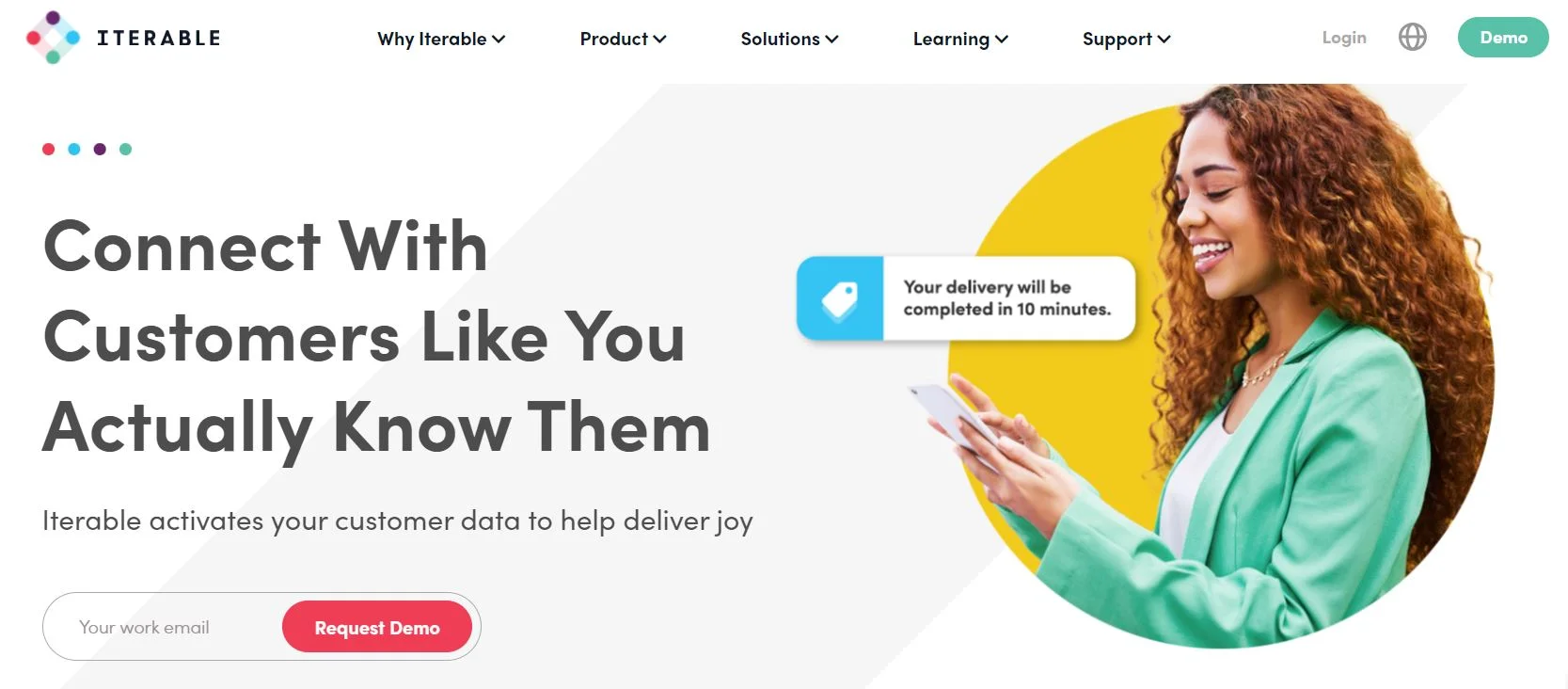
Iterable is a cross-channel customer engagement platform built for marketers to create personalized, data-driven customer journeys. It supports Email, SMS, Push Notifications, In-App Messaging, and other channels, with capabilities for audience segmentation, journey orchestration, experimentation, personalization, campaign analytics, and lifecycle marketing. It is particularly suited to brands looking to coordinate customer communications across multiple touchpoints.
Best known for: Marketer-friendly cross-channel engagement, particularly known for intuitive journey orchestration, lifecycle marketing, experimentation, and personalized messaging.
Pros: Strong journey builder, lifecycle marketing, cross-channel campaigns, experimentation, and marketer-friendly workflows.
Cons: Enterprise-focused pricing and implementation; complex use cases may require additional technical resources.
Pricing: Custom quote.
7. Airship
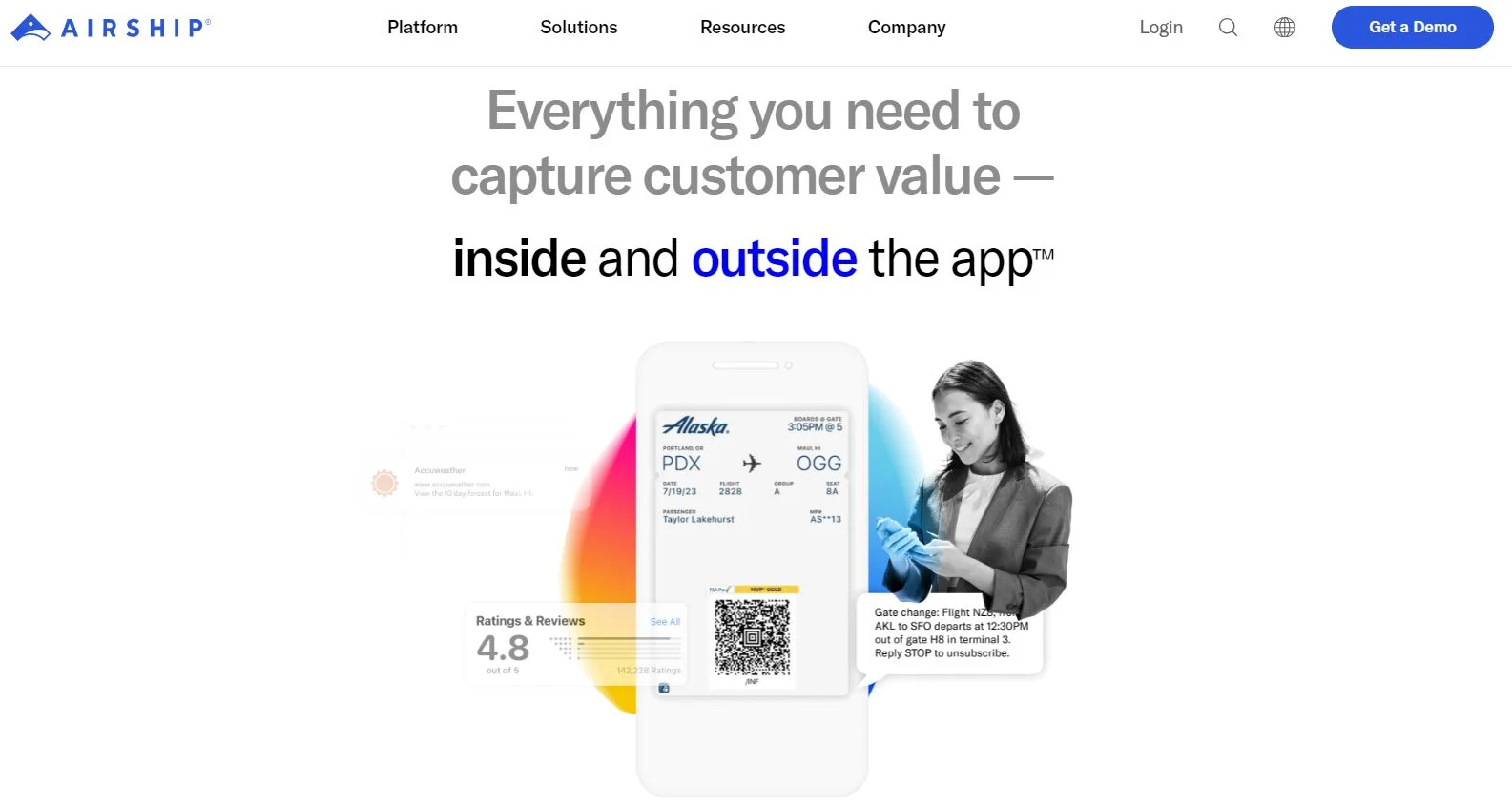
Airship is a mobile-first customer engagement platform focused on helping brands create personalized app experiences and mobile communications. Its capabilities include Push Notifications, In-App Messaging, Message Center, Mobile Wallet, Live Activities, and no-code native app experiences. It is particularly useful for businesses where mobile apps are a critical part of the customer journey and engagement strategy.
Best known for: Mobile-first customer engagement, particularly native app experiences, push notifications, in-app experiences, Live Activities, and mobile wallets.
Pros: Strong mobile capabilities, no-code app experiences, robust push notifications, and reduced developer dependency.
Cons: Less suitable for businesses where mobile apps aren’t central; broader email and lifecycle capabilities may be less comprehensive.
Pricing: Custom quote.
8. Klaviyo
Klaviyo is a customer engagement platform built primarily for ecommerce and consumer brands. It combines Email, SMS, customer data, behavioral segmentation, automated flows, predictive analytics, and personalized messaging. Its deep integrations with Shopify and other ecommerce platforms make it particularly effective for abandoned cart recovery, post-purchase engagement, product recommendations, win-back campaigns, and customer lifecycle marketing.
Best known for: Ecommerce and DTC customer engagement, particularly its deep Shopify ecosystem, behavioral segmentation, and email and SMS automation.
Pros: Excellent ecommerce integrations, easy to use, strong email and SMS capabilities, and powerful behavioral segmentation.
Cons: Costs can increase significantly with contact and messaging volumes; less suited to complex enterprise omnichannel requirements.
Pricing: Free tier available; paid plans scale based on contacts and messaging volume.
9. Blueshift
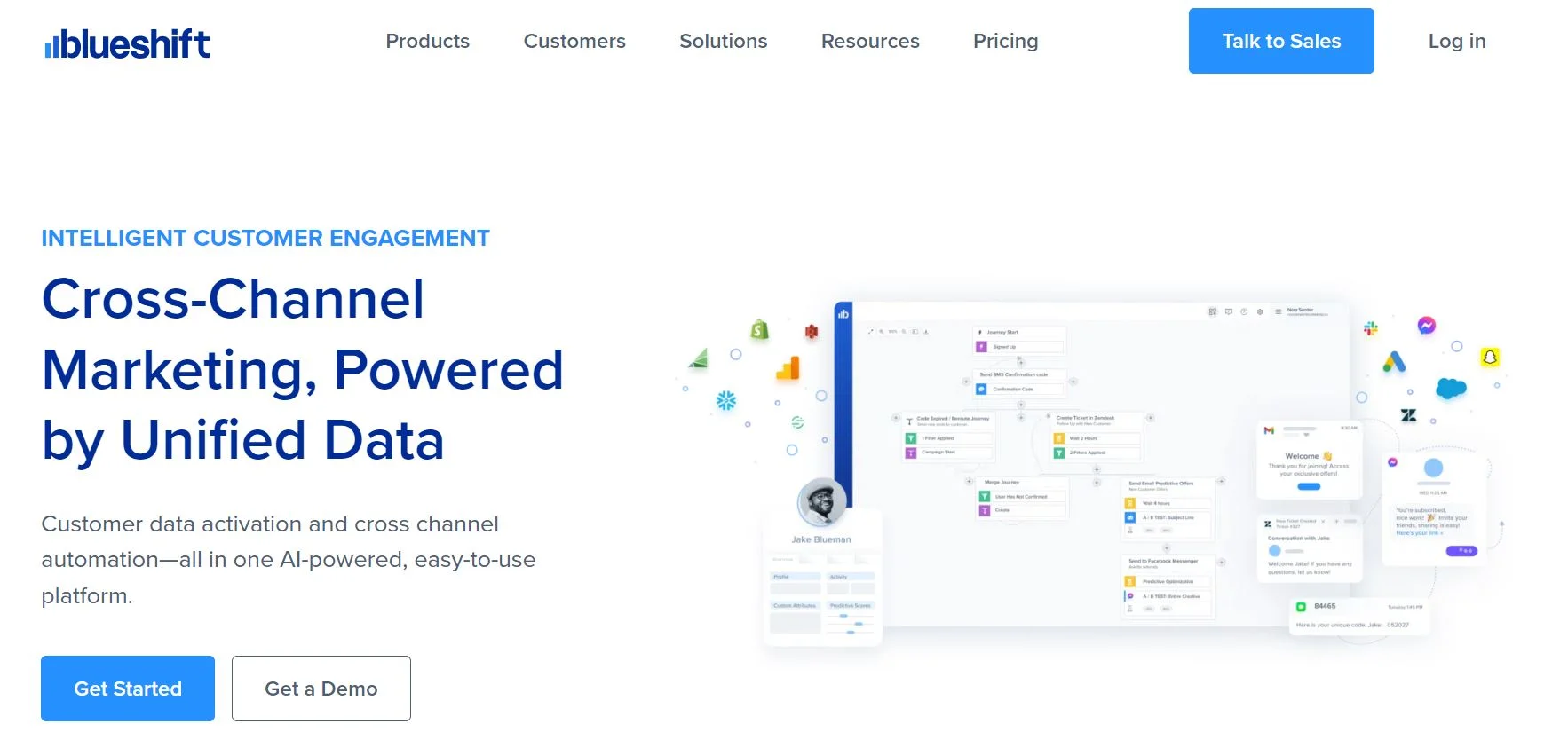
Blueshift is an AI-powered customer engagement platform that combines a real-time Customer Data Platform with predictive intelligence and cross-channel journey orchestration. It helps brands unify customer data, identify behavioral patterns, predict customer intent, create intelligent segments, and deliver personalized experiences across Email, Mobile, Web, and other channels. It is particularly suited to organizations looking for AI-driven lifecycle personalization.
Best known for: AI-powered customer engagement, real-time CDP capabilities, predictive intelligence, and personalized lifecycle journey orchestration.
Pros: Strong predictive AI, real-time customer data, advanced personalization, and intelligent segmentation.
Cons: Smaller ecosystem and market presence; implementation can require technical expertise.
Pricing: Custom quote.
10. Customer.io
Customer.io is a flexible customer engagement platform built around event-driven messaging and behavioral data. It enables brands to create automated workflows triggered by events such as product usage, website activity, purchases, or subscription changes. Its capabilities include Email, Push Notifications, SMS, In-App Messaging, segmentation, data pipelines, APIs, and workflow automation, making it popular among SaaS and product-led growth companies.
Best known for: Developer-friendly, event-triggered lifecycle messaging with flexible workflows, APIs, and granular behavioral personalization.
Pros: Highly flexible, powerful event-based triggers, strong APIs, and excellent for product-led growth and technical teams.
Cons: More technical than marketer-first platforms and may require additional setup for advanced omnichannel use cases.
Pricing: Starts around $100/month; higher-tier and enterprise pricing varies.
11. OneSignal
12. Twilio
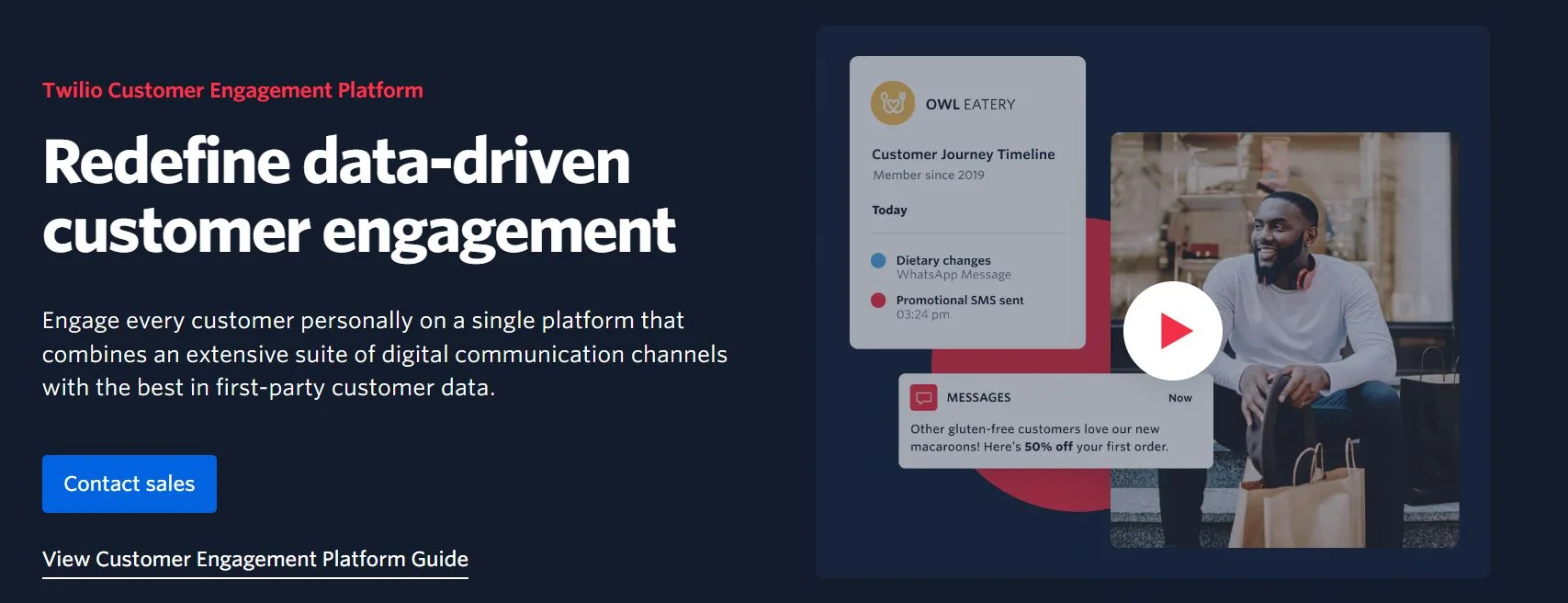
Twilio is primarily a programmable communications platform rather than a traditional customer engagement platform. It provides APIs and infrastructure that businesses can use to build customized communication experiences across SMS, WhatsApp, Email, Voice, Video, and other channels. With products such as Twilio Segment and Twilio Engage, businesses can also unify customer data, build audiences, and orchestrate personalized interactions.
Best known for: Developer-first programmable communications infrastructure that enables businesses to build customized SMS, WhatsApp, email, voice, and communication experiences.
Pros: Highly flexible APIs, extensive communication channels, powerful developer ecosystem, and global scalability.
Cons: Requires significant development resources and is not a marketer-first customer engagement platform; advanced orchestration often requires additional products or custom development.
Pricing: Usage-based pricing that varies by channel, country, and volume.
Mobile-First & Enterprise Platforms
13. Salesforce Marketing Cloud
Salesforce Marketing Cloud is an enterprise marketing automation and customer engagement suite that connects closely with Salesforce CRM. It supports Email, SMS, Mobile Push, WhatsApp, advertising, and journey orchestration, alongside personalization, analytics, and AI capabilities through Salesforce’s broader ecosystem. It is particularly suited to large enterprises already invested in Salesforce and looking to connect marketing engagement with sales and customer data.
Best known for: Enterprise-grade marketing automation and customer engagement deeply integrated with Salesforce CRM, enabling complex journeys and large-scale B2B and B2C marketing operations.
Pros: Strong Salesforce ecosystem integration, powerful Journey Builder, extensive enterprise capabilities, broad channel support, and robust CRM connectivity.
Cons: Can be complex to implement and manage; costs can increase significantly with additional products and capabilities; advanced functionality may require specialized technical expertise.
Pricing: Custom enterprise pricing, typically based on products, contacts, usage, and business requirements.
14. Adobe Experience Platform
Adobe Experience Platform is an enterprise customer data and experience foundation that unifies customer data from multiple sources and powers personalization across Adobe’s ecosystem. With Real-Time CDP, Journey Optimizer, Analytics, and Adobe Experience Cloud integrations, brands can build unified customer profiles, create audiences, orchestrate journeys, and deliver personalized experiences across digital touchpoints.
Best known for: Enterprise-grade customer data unification and real-time personalization, particularly for organizations already invested in Adobe Experience Cloud.
Pros: Powerful data foundation, real-time customer profiles, extensive analytics, strong personalization capabilities, and deep integration with Adobe’s creative and experience ecosystem.
Cons: Complex implementation, significant technical requirements, steep learning curve, and potentially high total cost of ownership across multiple Adobe products.
Pricing: Custom enterprise pricing; costs vary significantly depending on the Adobe products, data volumes, and implementation requirements.
15. MoEngage
MoEngage is a customer engagement platform focused on helping brands orchestrate personalized interactions across Email, Push Notifications, SMS, WhatsApp, In-App Messaging, and other channels. It offers customer analytics, segmentation, journey orchestration, experimentation, recommendations, and AI-assisted campaign optimization. It is particularly popular among consumer-facing brands looking to improve engagement, retention, and lifecycle marketing.
Best known for: Customer engagement and retention marketing, particularly mobile-first engagement, journey orchestration, push notifications, and behavioral analytics.
Pros: Strong mobile engagement, intuitive journey orchestration, customer analytics, segmentation, experimentation, and broad channel support.
Cons: Advanced AI capabilities are still evolving; some sophisticated analytics and predictive use cases may require additional configuration; enterprise pricing is not publicly transparent.
Pricing: Custom quote; typically based on customer profiles, monthly active users, channels, and usage.
How to Choose the Best Customer Engagement Platform?
Choosing the right customer engagement platform isn’t just about features — it’s about finding a platform that truly aligns with your business goals and helps you build meaningful, lasting relationships with your customers. Here are the key factors to consider before making your choice:
1. Omnichannel Experience
Look for a platform that can connect every touchpoint — from email and SMS to chat, social media, and WhatsApp — into one seamless experience. The best customer engagement tools help your brand maintain consistent, personalized conversations across all channels, so your customers never feel disconnected or lost in transition.
2. Advanced Personalization
Today’s customers expect interactions that feel tailor-made. Prioritize platforms that offer AI-driven personalization — from product recommendations and dynamic segmentation to personalized landing pages and message content. The goal is simple: ensure every communication resonates with individual preferences, intent, and behavior.
3. Intelligent Automation
Manual engagement simply can’t keep up with today’s pace. Choose software that automates customer journeys using real-time triggers — such as abandoned carts, app inactivity, or milestone events — to deliver timely, relevant messages. Intelligent automation helps you scale engagement while keeping it deeply personal.
4. Unified Customer Profiles
A fragmented customer view is one of the biggest barriers to personalization. Look for a platform that builds a unified profile for each customer, merging data from web, app, CRM, and offline channels. A 360° view of customer activity helps marketers understand context, anticipate needs, and respond more effectively.
5. Seamless Integrations
Your engagement platform shouldn’t work in isolation. It should integrate effortlessly with your CRM, analytics, ecommerce, and data management systems to maintain consistency and transparency across teams. The smoother the integration, the easier it is to deliver cohesive customer experiences.
6. Scalability
As your business grows, so will your audience. Choose software that can handle increasing data volumes, campaign frequency, and channel expansion without slowing down. A scalable engagement platform ensures your marketing operations remain agile even as your customer base multiplies.
7. Analytics and Reporting
Engagement without measurement is guesswork. Look for platforms that offer comprehensive analytics and predictive insights — from churn prediction and behavioral analytics to campaign attribution and satisfaction metrics. Strong reporting capabilities turn engagement data into growth decisions.
8. User Experience and Ease of Use
Even the most powerful platform falls short if it’s difficult to use. Prioritize a clean, intuitive interface that allows marketers to build, launch, and measure campaigns without heavy IT dependency. Great UX not only improves efficiency but also shortens the learning curve for your team.
9. Proactive Customer Support
Reliable customer support can be a make-or-break factor. Choose a provider that offers dedicated onboarding, training, and troubleshooting to ensure your marketing operations never miss a beat. The best vendors partner with you on success — not just software delivery.
10. Compliance and Data Privacy
Trust is the cornerstone of engagement. Ensure your chosen platform adheres to GDPR, CCPA, and other data protection standards to keep customer information safe. Privacy compliance protects your brand reputation while reinforcing customer confidence in every interaction.
The best customer engagement platform combines omnichannel reach, intelligent automation, and real-time personalization — all built on a unified customer view. When these capabilities come together, you don’t just manage engagement… you master it.
Final Take
Customer engagement in your marketing campaigns is no longer a luxury—it’s a necessity for building lasting connections and loyalty. In today’s crowded digital space, only brands that prioritize engagement will earn a place in the minds of their customers.
With the right customer engagement platform, backed by a personalized and customer-first approach, your brand can stand out from thousands of competitors. The best choice depends on your goals, business size, and the type of engagement you want—but the right platform will pay off in stronger relationships and sustainable growth.