 Diwali Engagement Playbook is now


For years, the tracking pixel was the quiet workhorse of email. That invisible 1×1 image told you who opened a message, when, and roughly where. It powered the open rates in your dashboards, the re-engagement journeys your automation team built, and the list hygiene your deliverability team relied on to protect sender reputation.
That era is closing in Europe. In spring 2026, regulators in France, Italy and the UK independently reached the same conclusion: a pixel that reports an email open is no different from a cookie, and it needs the same consent. The technology didn’t change. The rules around it did.
Here is the part that should get your attention. France’s deadline for existing lists was 14 July 2026. It has already passed, and the regulator has announced audits. If you send marketing emails to Europe and still fire pixels without consent, the “we didn’t know” window is closed.
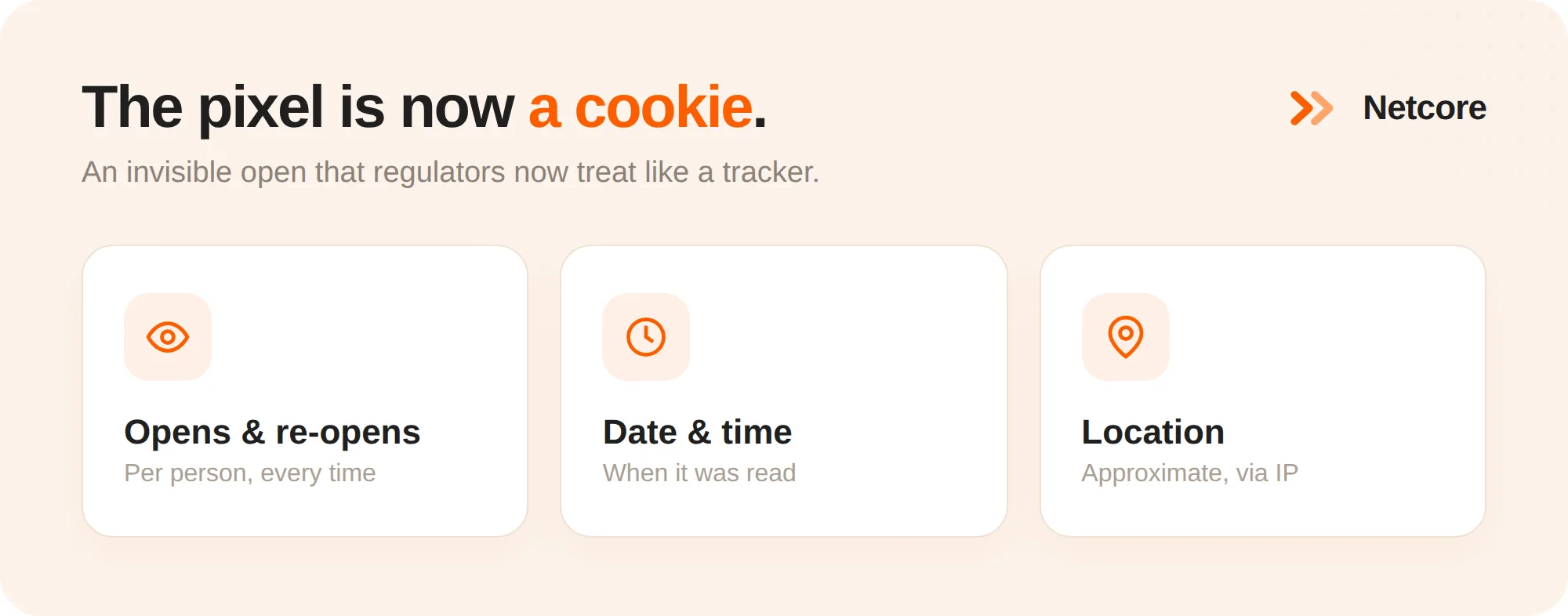
A tracking pixel is an invisible image embedded in an email. When the recipient opens the message, their client loads it from a remote server, and because it carries an identifier unique to the recipient, the sender learns, person by person, that the message was opened, the time it was read, and the approximate location from the IP address. Regulators point to three things: the practice has become near-universal, the inbox is uniquely private, and complaints are climbing, which is why France has already announced audits.
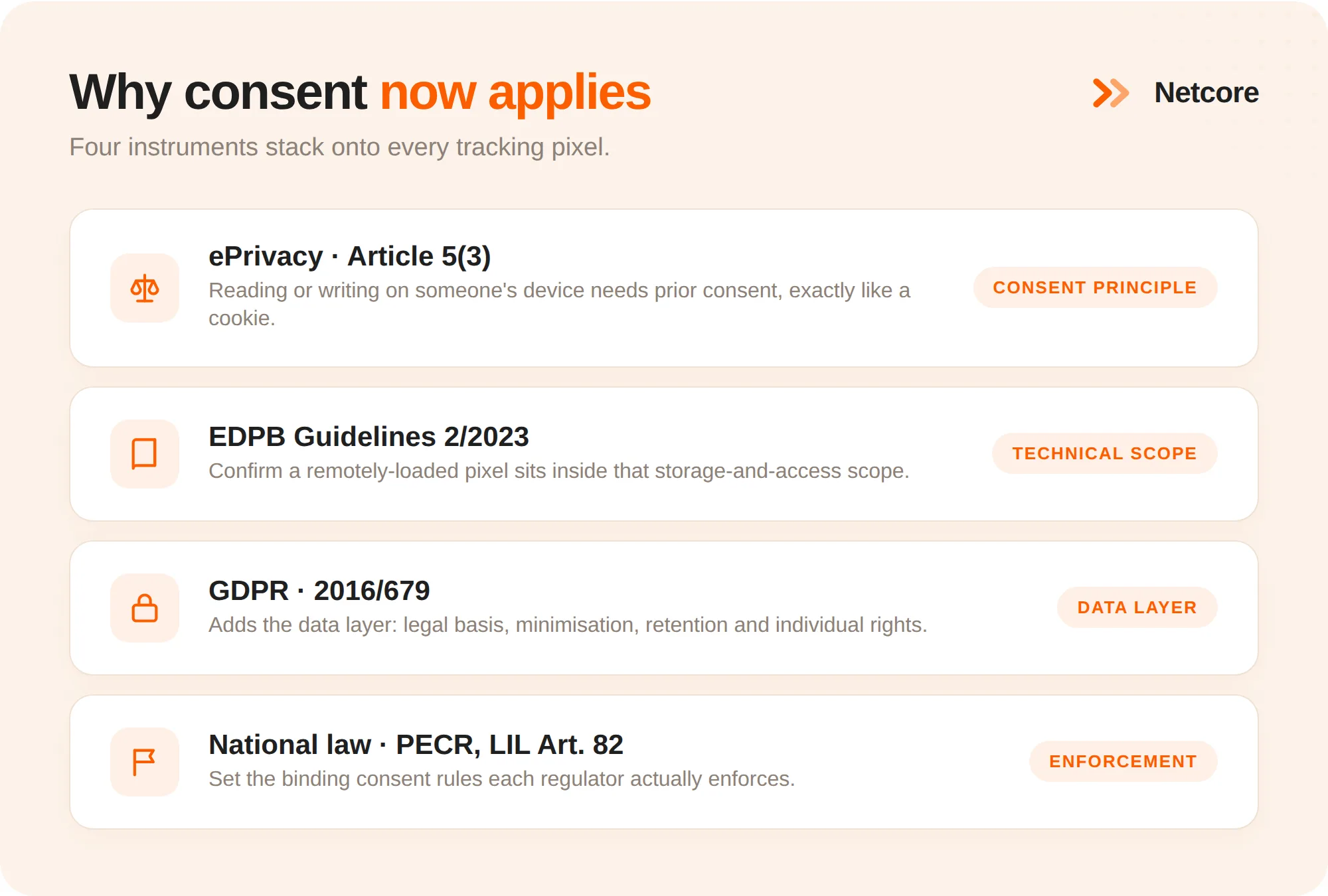
This is not a French quirk. It stacks from ePrivacy Article 5(3), which says reading or writing on a device needs prior consent, exactly like a cookie. The EDPB has confirmed that a remotely loaded pixel sits inside that scope, GDPR adds the data layer on top, and national laws turn it into enforced rules. The direction is common across the EU.
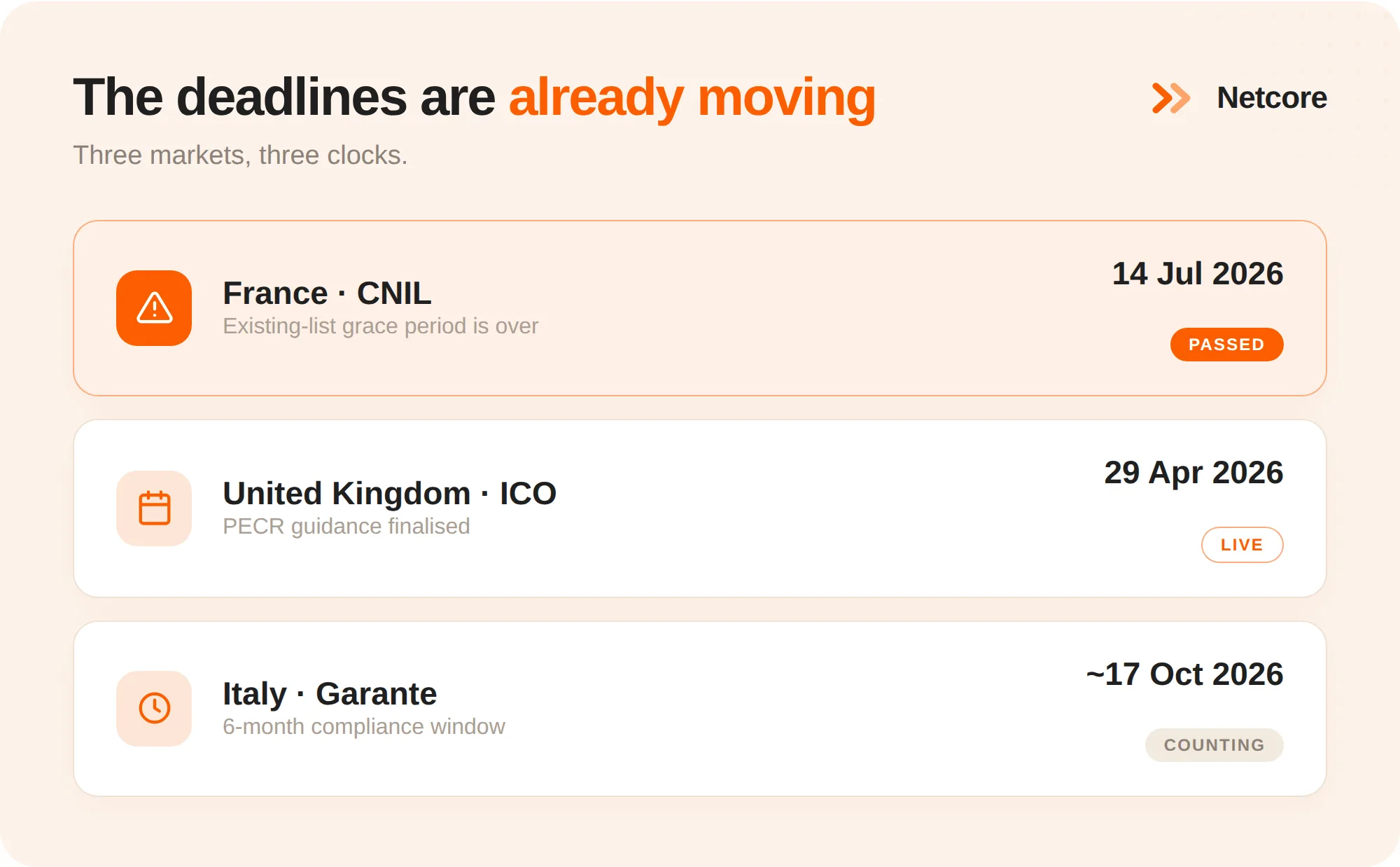
France set the tone on 14 April 2026, treating pixels as trackers that need prior consent unless a narrow exemption applies. Italy followed with parallel guidance and an October deadline, and the UK’s ICO finalised its position in April under PECR. EU authorities reference one another, so the direction set in Paris, Rome and London signals where every member state is heading.
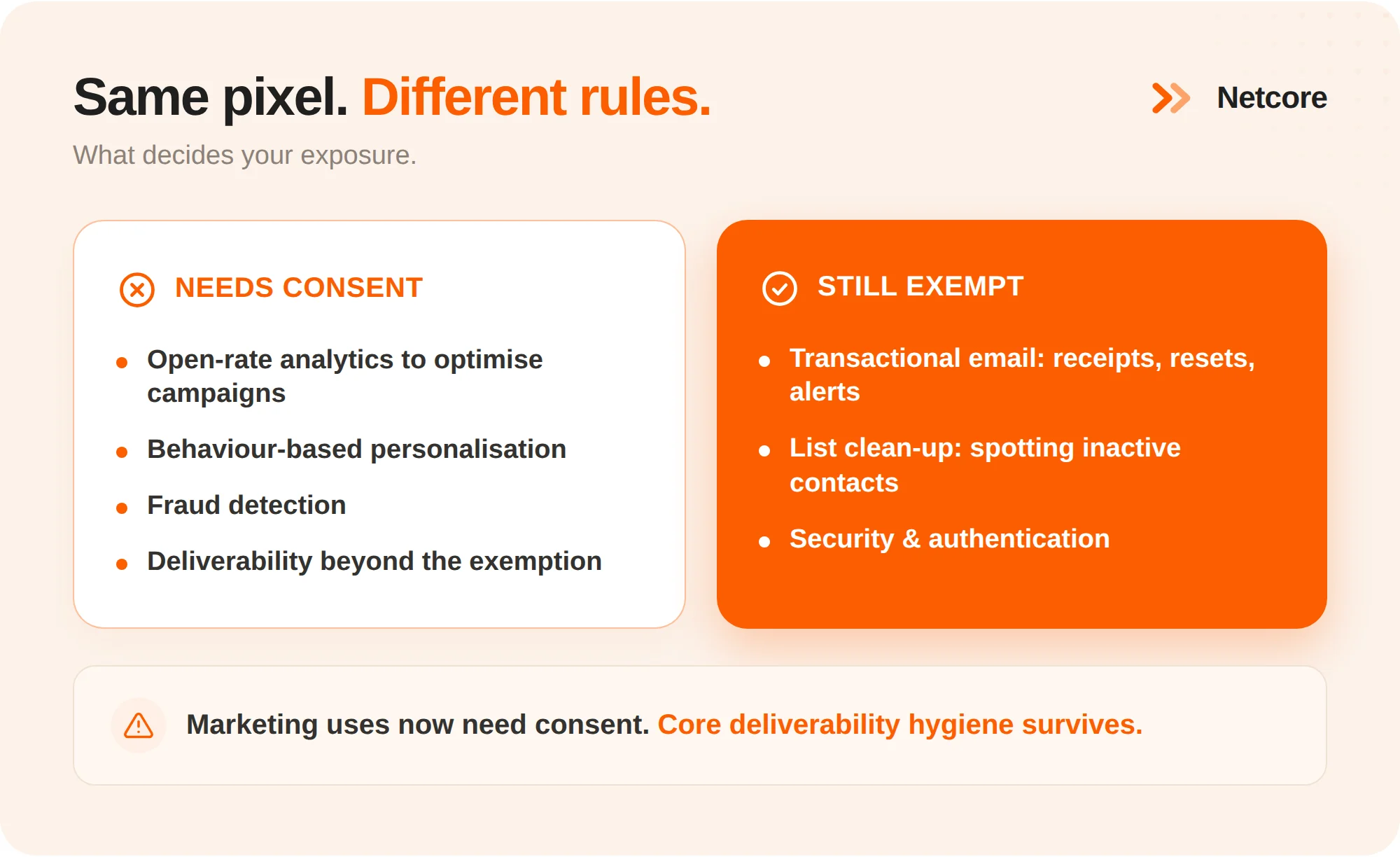
Whether a pixel is legal now depends entirely on what you use it for, and the line runs straight through most email teams. The marketing uses, measuring opens to optimise campaigns and personalising based on behaviour, now need consent. The core deliverability use, keeping lists clean by spotting recipients who have gone quiet, largely survives. B2B is not a shortcut either: as soon as a personal address is involved, the pixel is in scope.
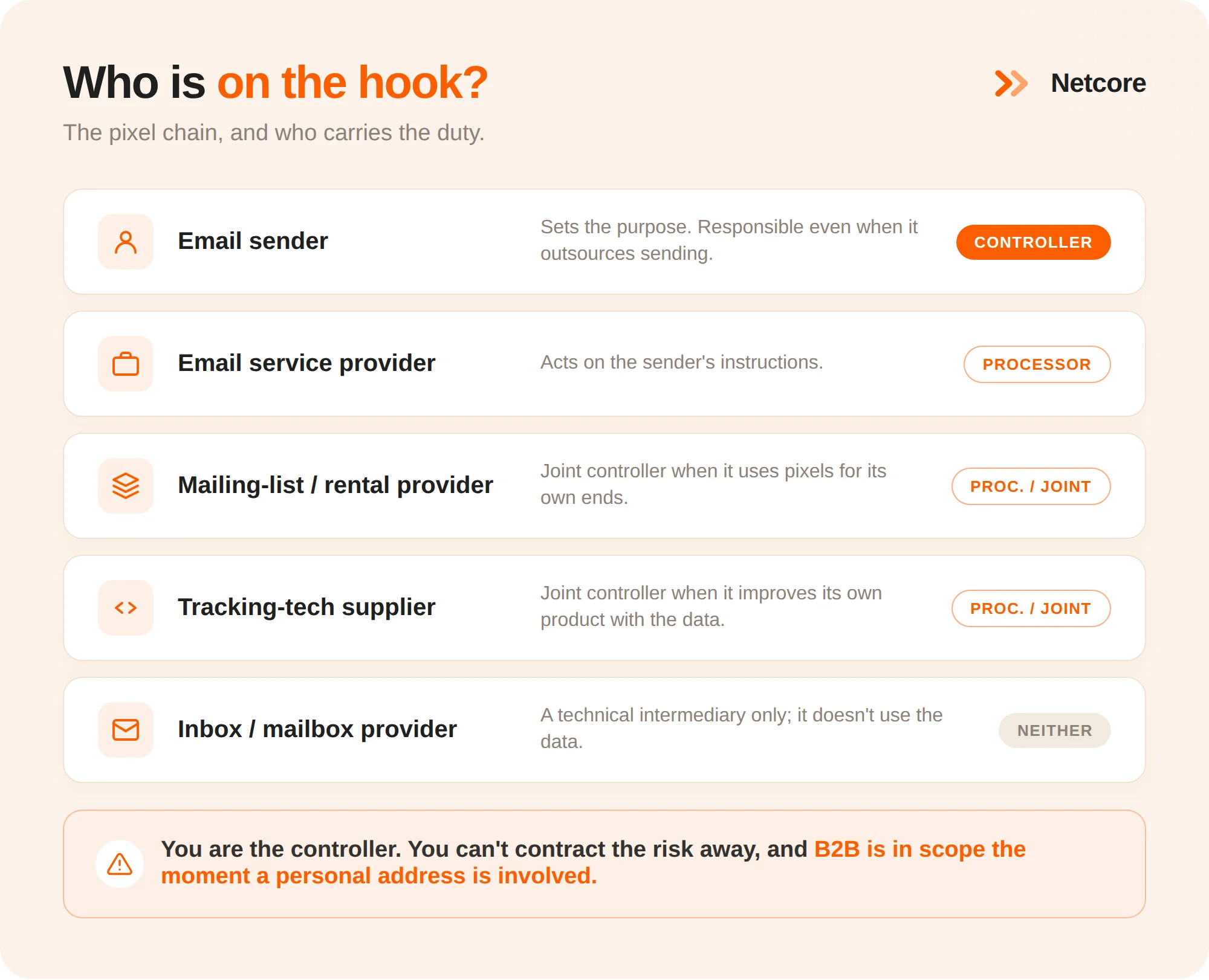
And you cannot hand the risk to your platform. The pixel chain has many hands, but the duty lands on you: the sender is the controller and stays responsible even when an ESP or supplier operates the pixel. A contract saying the platform handles consent is not, on its own, proof that consent exists. You need to demonstrate it, per individual, on demand, and B2B is in scope the moment a personal address is involved.
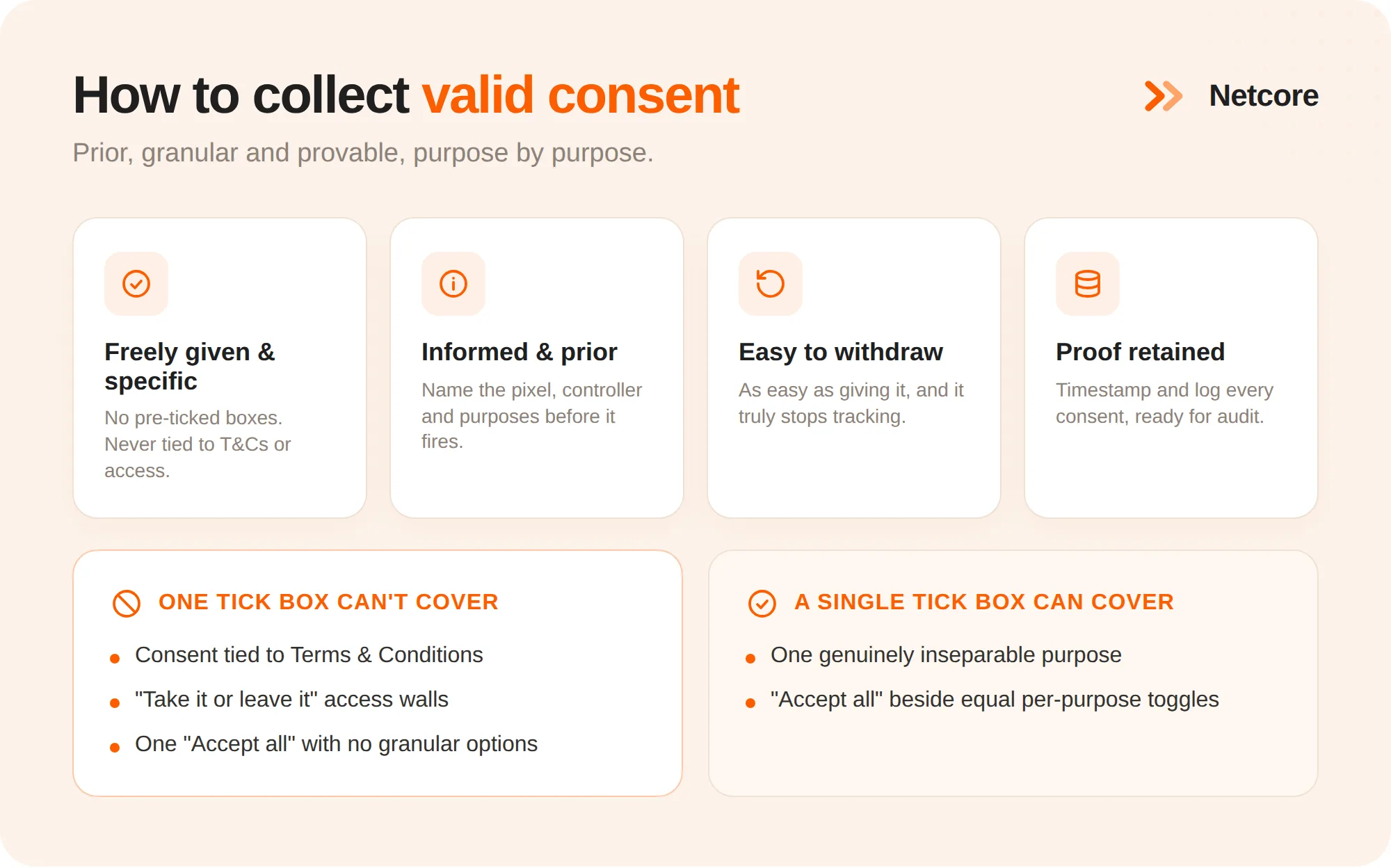
Valid consent is narrow by design. It must be freely given, specific and informed, captured before the pixel fires, never pre-ticked or bundled with terms and conditions, and just as easy to withdraw as to give, with proof retained for audit. Different purposes need different consent, so you cannot hide open-rate analytics and cross-context profiling behind a single tick box unless they serve one genuinely inseparable purpose.
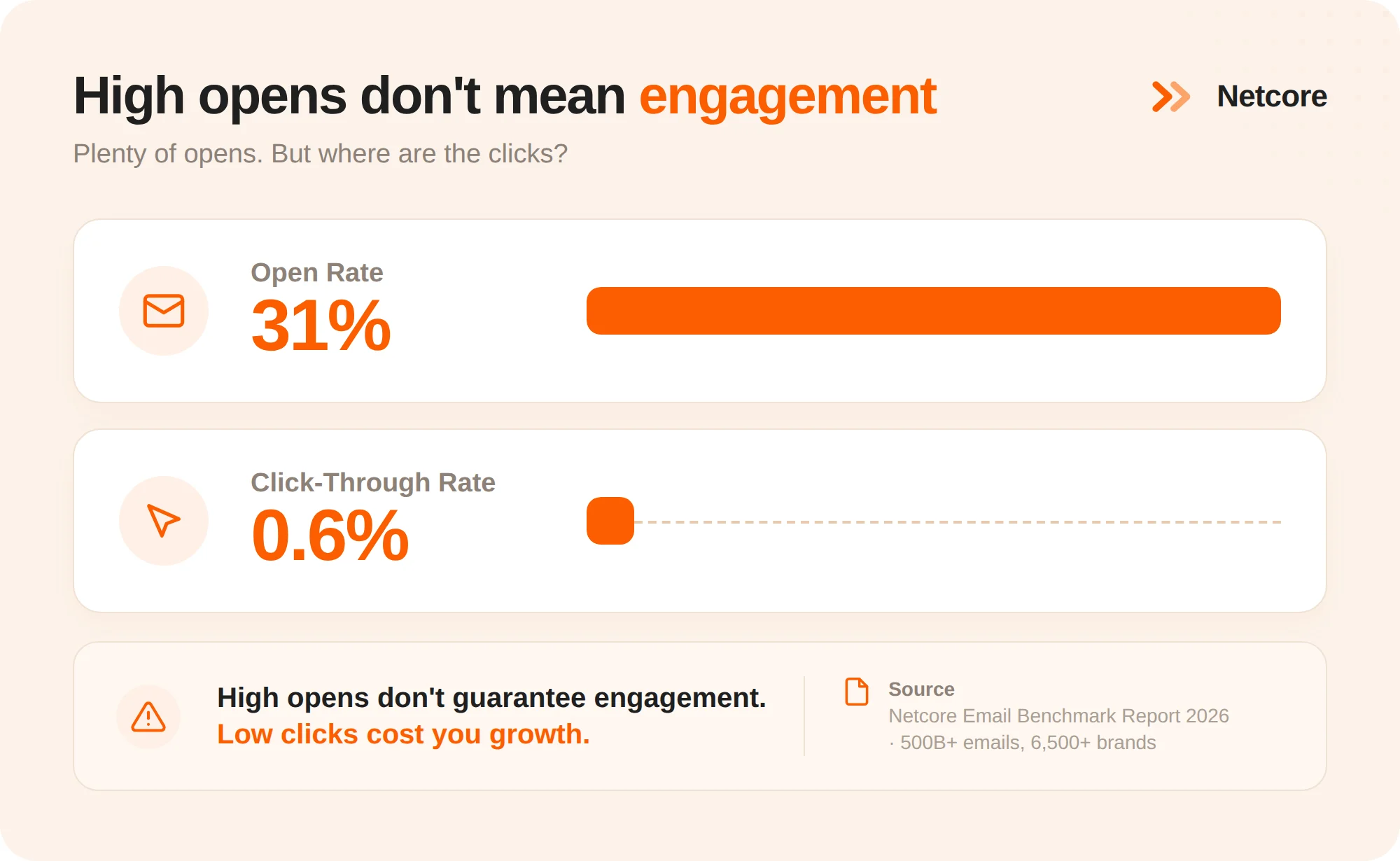
None of this lands in a vacuum. Apple’s Mail Privacy Protection had already inflated opens for years, and in major European markets, a large share of recipients will now never opt in. The deeper point is that opens were never the goal: a healthy open rate sitting next to a thin click-through rate is a growth problem, not a win. With every open-based signal now resting on a shrinking, consented sample, the strongest teams are rebasing their reporting on clicks, conversions and revenue per email. It reflects real engagement, and it holds up under audit.
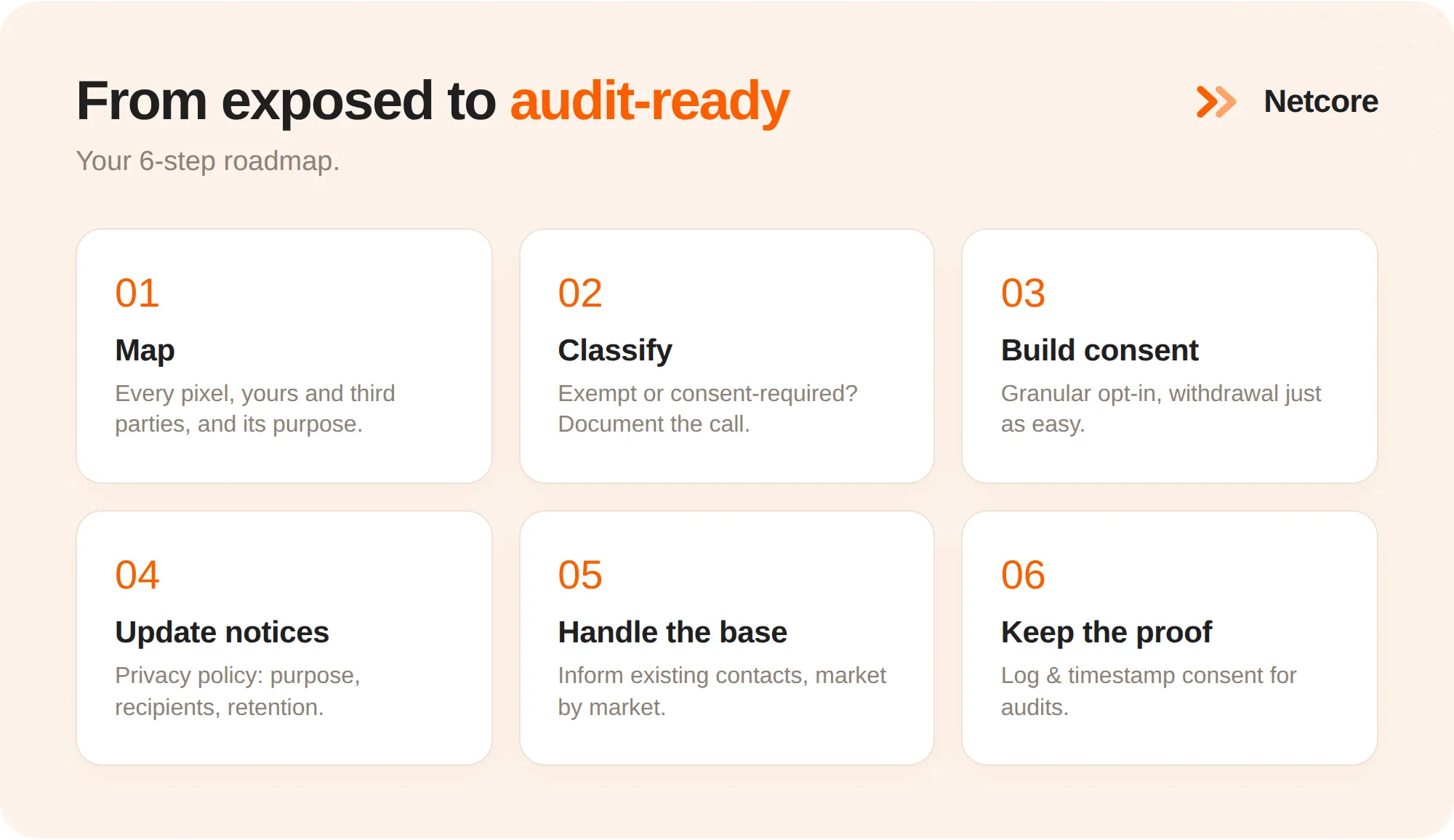
The work itself is manageable if you start now, and it is a forced upgrade rather than a pure cost. The open was always a weak proxy for interest. Rules that push senders toward consented, action-based signals move everyone toward what actually drives retention and revenue: cleaner data, real engagement, and messaging people chose to receive.
The question is no longer whether this affects you. It is how much of your reporting, personalisation and list hygiene quietly depends on the open, and how fast you can make it resilient before the audits arrive.
DON’T GET CAUGHT FIRING PIXELS
Not sure how exposed you are?
Get a working session with a Netcore deliverability expert. We’ll map where your open dependency is highest, across marketing and deliverability, and the fastest path to compliant, high-quality engagement data before the next deadline lands.
Book a call with a Netcore deliverability expert →
Performance-led, AI-first customer engagement

